Is Scrolling Before Bed Actually Spiking Your Cortisol?
Quick Answer: Screen time itself doesn’t directly spike cortisol much — the bigger driver is what you’re doing on the screen (stressful content, doom-scrolling) and the light delaying your melatonin, which indirectly keeps cortisol elevated later than it should be.
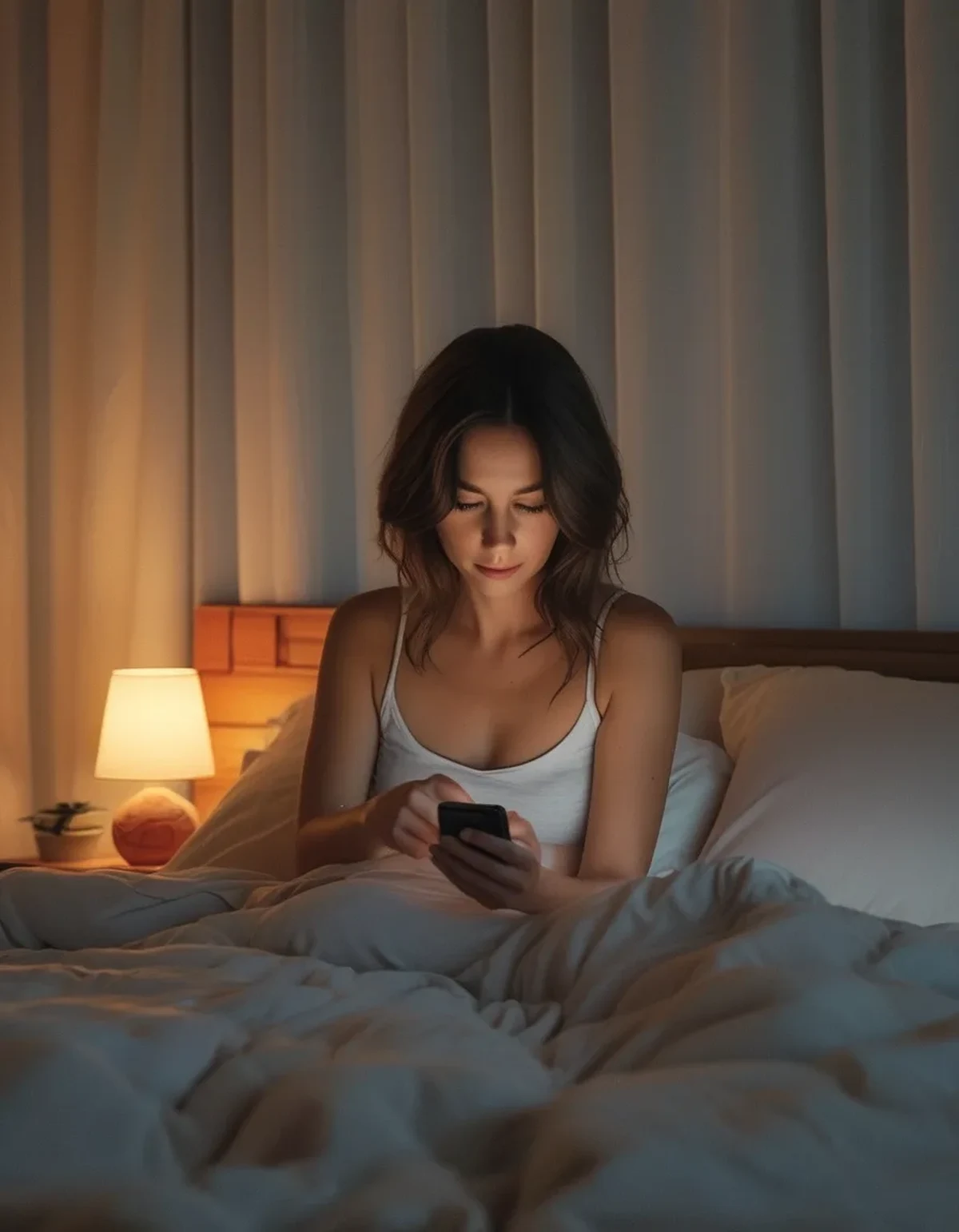
It’s an easy thing to blame entirely on ‘blue light,’ but the actual mechanism is a little more specific than that — worth understanding if you’re trying to fix it.
### Does blue light directly raise cortisol?
Not in a strong, direct way — the research on blue light and cortisol specifically is thinner than the research on blue light and melatonin suppression. What blue light reliably does is delay your body’s natural melatonin rise, which is the hormone that’s supposed to signal ‘wind down’ to your system.
Because melatonin and cortisol work somewhat in opposition on a 24-hour cycle, delaying one can indirectly keep the other from tapering off on schedule — so it’s real, just an indirect path rather than screens flipping a cortisol switch.
### Is it actually the content, not the light?
This is where most people miss the bigger lever. Checking work email, reading news, or getting into a stressful conversation over text triggers a genuine stress response — cortisol rising because your brain registers a threat or unresolved problem, not because a screen is nearby.
A 2021 survey-based study on pre-sleep phone use found that emotionally activating content (arguments, work stress, doom-scrolling) correlated with worse sleep onset far more strongly than passive content like a calm video did — same screen, same light exposure, very different cortisol-relevant outcome.
Myth vs Fact: ‘Night Mode’ Fixes the Problem
Myth: switching your phone to night mode or wearing blue-light glasses solves pre-bed cortisol issues. Fact: it helps with the light-melatonin piece specifically, but does nothing about the content piece — you can be in night mode and still spike your stress response reading a tense email thread.
If you only fix the light and keep checking anxiety-inducing content, you’ll likely see a smaller improvement than expected and might assume ‘nothing works,’ when really only half the problem got addressed.

### How long before bed does it actually matter?
Most research on light and melatonin suppression focuses on the 1-2 hours before your target sleep time — this is the window where your body is supposed to be ramping toward sleep hormonally, and disruption has the most leverage.
Scrolling at 4pm isn’t doing the same thing scrolling at 10:45pm is, even with identical content and identical light exposure, because your body’s hormonal readiness for sleep is completely different at those two times.
### What actually helps more than screen-time rules alone?
Separating the content from the timing works better than a blanket ‘no phone’ rule most people can’t stick to anyway. Practical version: keep neutral or calming use (a podcast, a book app, music) but move anything work-related, argumentative, or newsy earlier in the evening, ideally before dinner.
A short wind-down routine — even five minutes of stretching or a warm shower after you put the phone down — gives your body an active off-ramp instead of asking it to switch states instantly.
### When should you actually worry about this?
If you’re consistently lying awake with a racing mind after evening screen use, or waking up between 2-4am (a classic cortisol-related wake pattern), it’s worth tracking what you were doing on your phone the hour before bed for a week — the pattern is often more specific than ‘too much screen time.’
Persistent sleep disruption tied to stress is worth mentioning to a doctor if it doesn’t improve with these changes over a few weeks. This is general information, not medical advice.
FAQ: Cortisol and Screen Time Questions, Answered
Does scrolling social media count as ‘stressful content’?
It can — comparison-heavy or algorithm-driven feeds are more activating than people expect, even without an obvious stressor, because they’re designed to keep your attention through novelty and mild urgency.
Will turning my phone off entirely fix my sleep?
It removes the variable but isn’t the only lever — sleep timing consistency, caffeine cutoff, and room temperature all interact with cortisol too, so treat it as one piece, not the whole fix.
Is reading on a tablet different from scrolling on a phone?
Mechanically similar for light exposure; the difference usually comes down to what you’re reading and whether it’s passive or attention-grabbing content.
TL;DR:
- Blue light’s effect on cortisol is mostly indirect, through delayed melatonin
- The content you’re consuming matters more than most people assume
- The 1-2 hours before bed is the highest-leverage window to protect
- Separate what you do on your phone from whether you use it at all — that’s the more useful rule
It’s not really about the phone — it’s about what’s on it and when.
Keep Reading
This article is for general informational purposes only and is not medical advice. Always consult a qualified health professional for guidance specific to you.