The Under-Eating and Cortisol Connection Nobody Mentions in the 'Lower Your Cortisol' Advice
Most cortisol-lowering advice focuses on meditation, sleep and stress management, and quietly assumes adequate eating is a given — and for a real subset of people, chronic under-eating itself is directly driving the elevated cortisol they’re trying to fix through relaxation techniques that were never going to address the actual cause. Here is why under-eating raises cortisol independent of psychological stress, why it gets missed so often, and what actually helps in this specific case. This is general information, not medical advice.

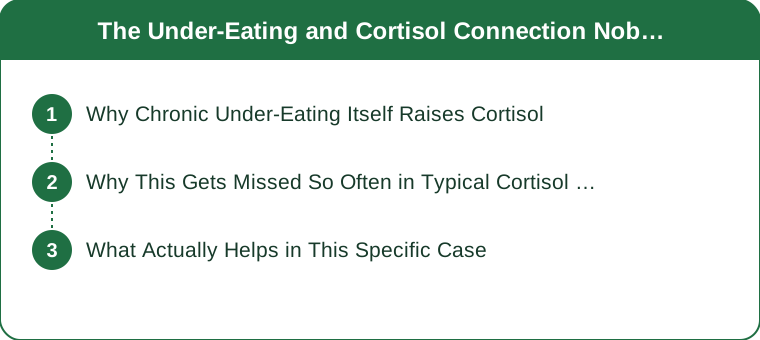
Why Chronic Under-Eating Itself Raises Cortisol
The physiological mechanism: the the-body-reads-insufficient-energy-intake-as-a-genuine-threat-signal (the body’s stress response system evolving to treat insufficient available energy as a survival-relevant threat, triggering a real cortisol response independent of any psychological stressor, per the cortisol-and-exercise-intensity-mismatch-guide logic — the under-eating-is-read-as-a-literal-threat-not-a-metaphorical-one), the the-blood-sugar-instability-from-inadequate-intake-directly-triggers-cortisol-release (the insufficient or irregular eating causing blood sugar dips that directly prompt a cortisol response as part of the body’s blood-sugar-regulation mechanism, independent of any mental or emotional stress — the blood-sugar-dips-from-undereating-are-a-direct-physiological-cortisol-trigger), the the-combination-of-under-eating-and-exercise-compounds-the-effect (the pairing inadequate intake with regular exercise, especially higher-intensity training, creating an even larger combined cortisol-elevating signal than either factor alone — the exercise-plus-undereating-compounds-rather-than-just-adds), the the-this-mechanism-operates-regardless-of-intention-behind-the-under-eating (the body’s stress response triggering the same way whether the reduced intake is intentional dieting, a busy schedule causing skipped meals, or a genuinely restrictive eating pattern — the mechanism-doesnt-care-why-intake-is-low-only-that-it-is), the the-its-a-separate-pathway-from-psychological-stress-even-though-both-raise-cortisol (the under-eating-driven cortisol elevation operating through a genuinely distinct physiological pathway from mentally perceived stress, even though both ultimately raise the same hormone — the two-different-pathways-to-the-same-elevated-hormone), and the reframe (the under-eating-cortisol connection as a real, direct physiological mechanism, not a metaphorical ‘your body is stressed’ framing — it’s specifically about insufficient energy availability).

Why This Gets Missed So Often in Typical Cortisol Advice
The reasons it’s overlooked: the mainstream-cortisol-advice-assumes-a-psychologically-stressed-but-adequately-fed-person (the majority of popular cortisol content targeting a mentally overwhelmed but nutritionally adequate audience, leaving a real gap for anyone whose actual issue is intake-driven — the the-typical-advice-audience-and-the-undereating-audience-are-different-populations), the the-diet-culture-normalizes-under-eating-as-simply-discipline-rather-than-a-potential-stressor (the chronic caloric restriction being culturally framed as virtuous self-control rather than recognized as a genuine physiological stressor with real hormonal consequences, per the cortisol-belly-fat-truth-guide myths logic — the cultural-framing-obscures-the-physiological-reality), the the-people-under-eating-often-simultaneously-pursue-cortisol-lowering-practices-without-connecting-the-two (the same person meditating and doing yoga specifically to lower cortisol while unknowingly under-eating in a way that’s actively working against that exact goal, without ever connecting the two behaviors — the the-two-behaviors-coexist-without-being-recognized-as-connected), the the-under-eating-is-sometimes-unintentional-and-therefore-invisible-as-a-suspect (the busy schedules and appetite suppression from stress itself sometimes causing genuinely unintentional under-eating that isn’t flagged as a deliberate dietary choice worth examining — the unintentional-undereating-doesnt-get-flagged-as-a-suspect-the-way-deliberate-dieting-might), the the-symptoms-overlap-heavily-with-general-stress-symptoms-making-the-actual-cause-harder-to-isolate (the fatigue, poor sleep and mood changes from under-eating-driven cortisol elevation closely resembling general stress symptoms, making it easy to misattribute the cause and reach for the wrong fix — the overlapping-symptoms-obscure-the-actual-root-cause), and the frame (the reasons it’s overlooked as mainstream advice targeting a different population, cultural normalization of under-eating as discipline, unrecognized coexistence with stress-reduction efforts, unintentional under-eating flying under the radar, and heavily overlapping symptoms — several real reasons this specific cause gets missed).
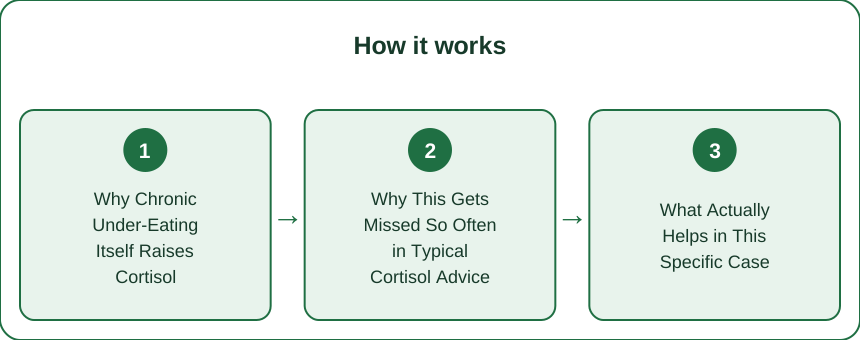
What Actually Helps in This Specific Case
The targeted response: the address-adequate-and-consistent-caloric-intake-before-adding-more-stress-reduction-techniques (the ensuring genuinely adequate and consistently timed intake being the actual first-line fix when under-eating is the real driver, rather than adding more meditation or relaxation practices on top of an unaddressed root cause — the fix-the-actual-cause-before-layering-on-more-stress-management-techniques), the the-regular-meal-timing-specifically-helps-blood-sugar-driven-cortisol-elevation (the eating at consistent intervals directly addressing the blood-sugar-instability pathway to cortisol elevation, a distinct and specific fix from general stress reduction — the regular-meal-timing-targets-the-specific-blood-sugar-mechanism-directly), the the-match-exercise-intensity-to-actual-intake-especially-during-under-fueling-periods (the reducing exercise intensity or volume temporarily during any period of genuinely inadequate intake, rather than continuing to compound the cortisol-elevating effect of the combination, echoing the cortisol-and-exercise-balance logic — the temporarily-easing-exercise-intensity-during-under-fueling-prevents-the-compounding-effect), the the-recognize-under-eating-honestly-rather-than-reframing-it-as-discipline (the honestly assessing whether current intake is genuinely adequate, separate from any cultural narrative that frames restriction as virtuous, since honest assessment is a prerequisite to actually fixing the specific cause — the honest-self-assessment-of-intake-is-the-necessary-first-step), the the-consult-a-provider-or-dietitian-if-under-eating-is-significant-or-hard-to-change-independently (the a significant or persistent pattern of inadequate intake warranting professional support rather than being self-managed indefinitely, particularly if it’s connected to a broader relationship with food or body — the significant-or-persistent-undereating-deserves-professional-support-not-just-self-directed-fixing), and the frame (the targeted response as ensuring genuinely adequate and consistently timed intake first, addressing blood sugar stability directly through meal timing, temporarily easing exercise intensity during under-fueling, honestly assessing intake separate from cultural framing, and involving a provider or dietitian for a significant or persistent pattern — a fundamentally different fix than the standard meditation-and-sleep cortisol advice, because it’s addressing a different actual cause. This is general information, not medical advice.)
Chronic under-eating raises cortisol through a genuinely distinct physiological pathway from psychological stress — the body reads insufficient energy availability as a survival-relevant threat and responds with a real cortisol release, compounded by blood sugar instability from inadequate or irregular intake and further amplified when paired with regular, especially higher-intensity, exercise. This connection gets missed in typical cortisol advice because most popular content targets a mentally stressed but adequately fed audience, diet culture frames chronic restriction as virtuous discipline rather than a genuine physiological stressor, the same person often pursues stress-reduction practices while unknowingly under-eating in a way that works against that exact goal, and the resulting symptoms overlap heavily with general stress symptoms in ways that obscure the actual cause. The targeted fix is ensuring genuinely adequate and consistently timed caloric intake before layering on more relaxation techniques, using regular meal timing to directly address the blood-sugar-driven pathway, temporarily easing exercise intensity during any period of inadequate fueling, honestly assessing intake separate from any cultural narrative that reframes restriction as discipline, and consulting a provider or dietitian when the pattern is significant or persistent. This is general information, not medical advice.
Keep Reading
This article is for general informational purposes only and is not medical advice. Always consult a qualified health professional for guidance specific to you.